How Angoalissar led its digital transformation and reinvented its online presence (Angola, 2023–2025)
The challenge
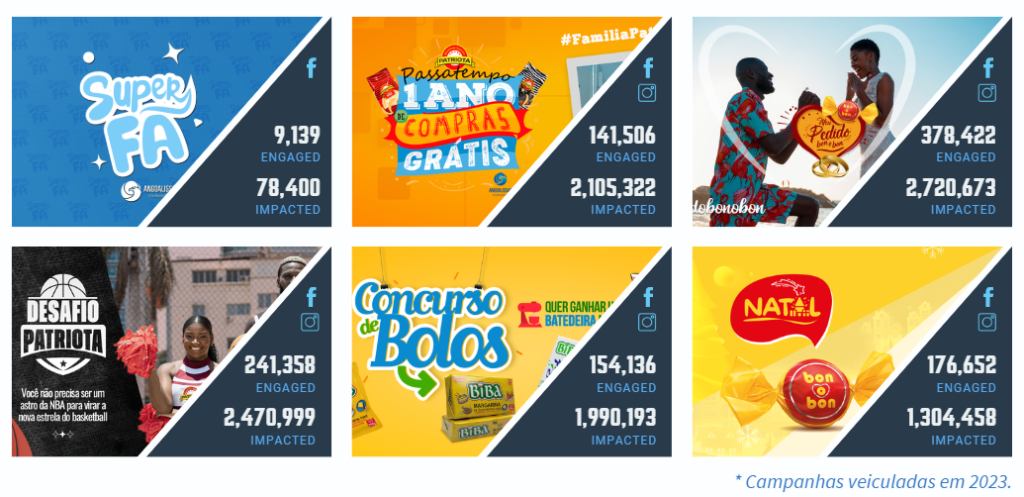
Angoalissar was one of Angola’s pioneering brands in the consistent use of social media as a strategic communication tool and business pillar. Since 2017, digital campaigns, creative competitions and active community management had helped position the company as a reference in the FMCG sector.
Over the years, however, the landscape changed. The market matured, new brands emerged with platform-native language, and formats such as vertical video, creators and more spontaneous narratives began to dominate audience attention.
The challenge was no longer simply to “be present” or “generate engagement”. It had become something else: repositioning Angoalissar as a contemporary reference without losing its scale, institutional credibility or operational complexity. Language, formats and internal culture needed updating—not just aesthetics or the editorial calendar.
The strategy
The transformation began with a structured social media plan supported by diagnosis, benchmarking and a clear definition of personality, voice and objectives. More than changing what was published, it was necessary to change how the company thought about digital.
Several strategic pillars guided this process:
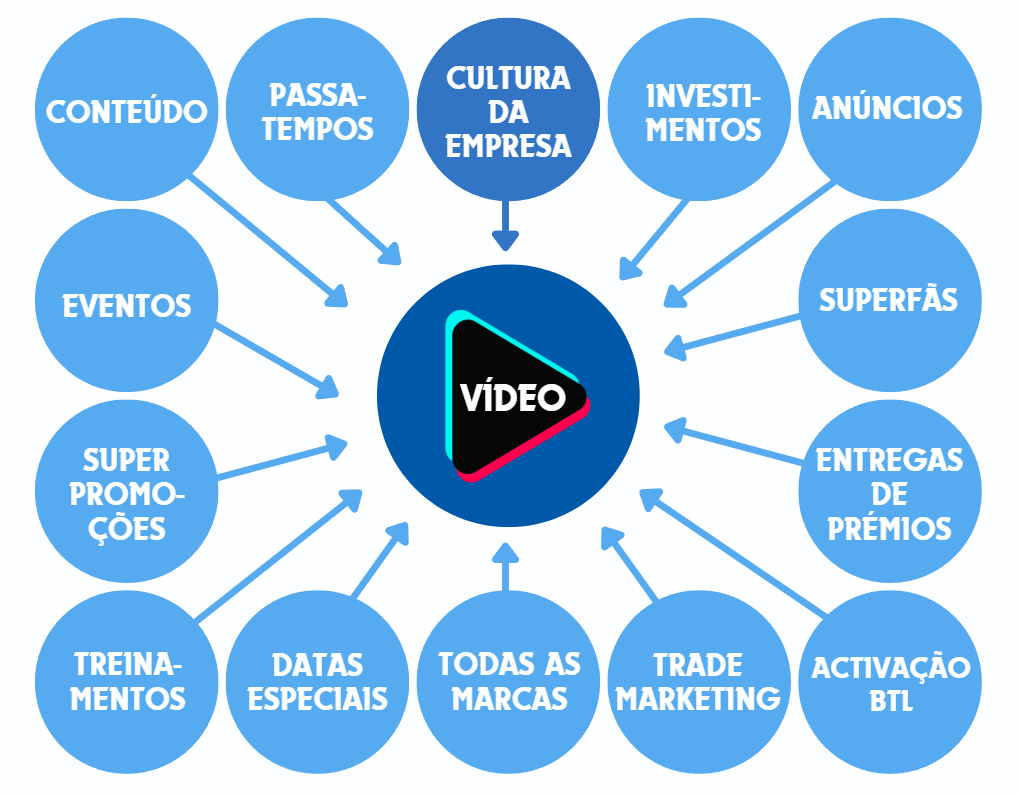
- A shift from product- and promotion-led communication to a people-centred narrative built around behind-the-scenes moments and real experiences.
- The deliberate adoption of a closer, more direct voice, addressing consumers as “tu”, which was unusual for large-scale corporate communication in Angola.
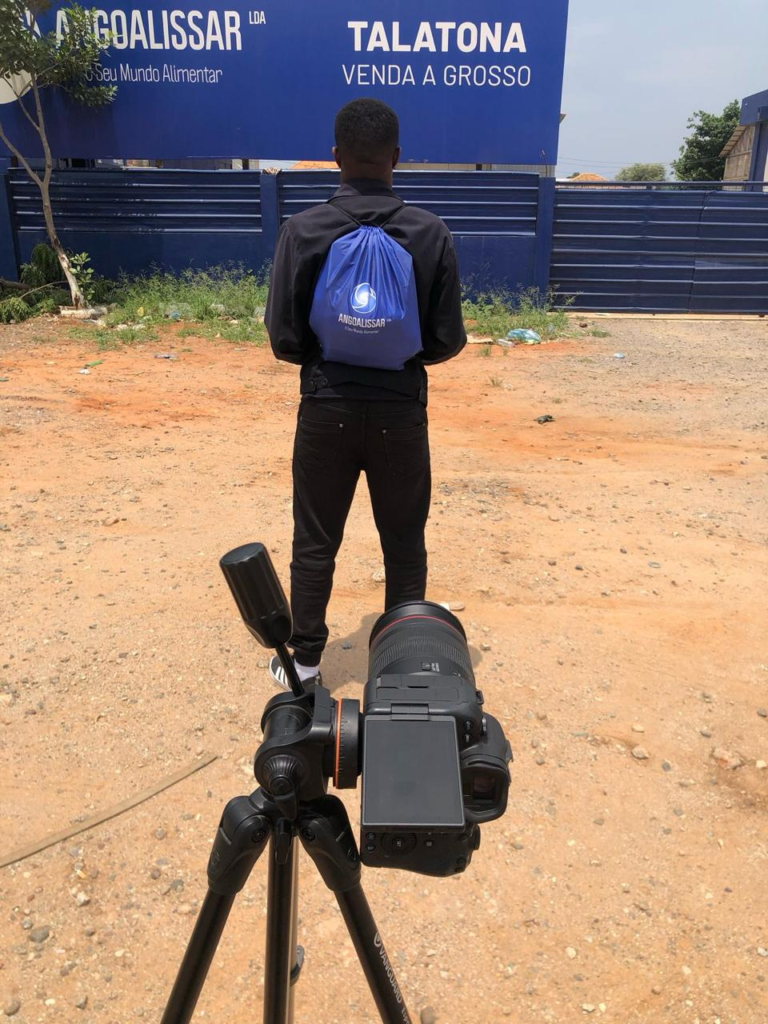
- Establishing short vertical video as the priority format, with original content filmed in the company’s warehouses and real operational settings.
- Integration between marketing, trade marketing and creative teams, encouraging the continuous capture of photos and videos as part of everyday work.
- Structured integration of content creators, not merely as occasional suppliers but as part of the brand’s editorial ecosystem.
This strategy required investment not only in media, but in infrastructure, people and cultural change.
Execution
The editorial transformation was implemented progressively but consistently.
Operationally, this included:
- Acquiring dedicated smartphones for the creative and trade marketing teams, enabling agile content production in the field.
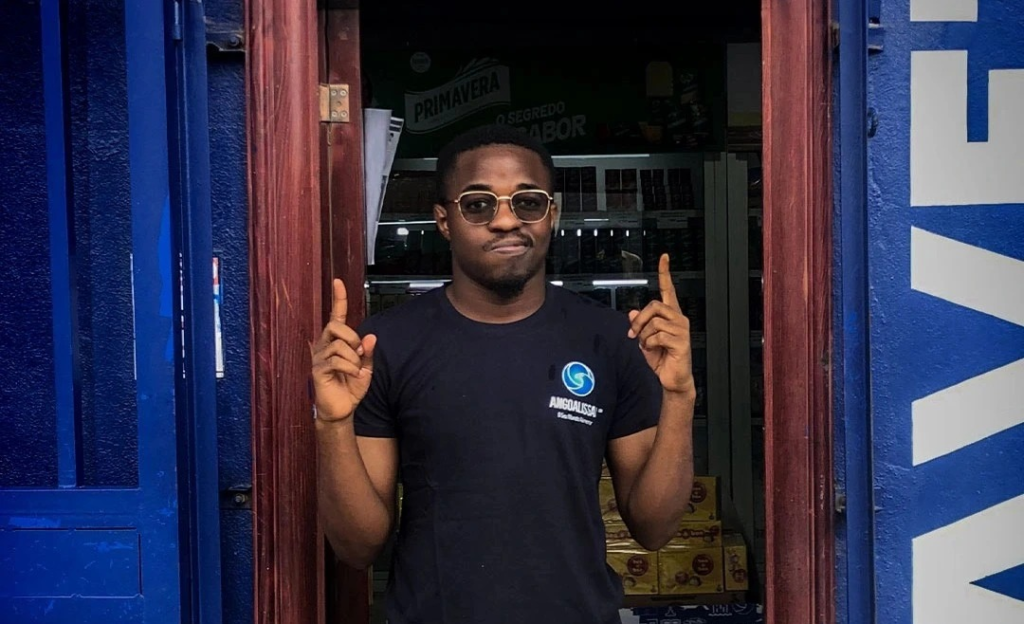
- Hiring a young, platform-native content creator, 21-year-old TikToker Hortêncio Francisco of “A Casa dos Fs”, as a permanent member of the marketing team. The decision symbolised a clear shift: bringing social-media language inside the company rather than simply outsourcing it.
- Launching the monthly Angoalissar Superfan challenge, recognising highly engaged followers with physical prizes and public visibility, strengthening the sense of community.

- Angoalissar’s official debut on TikTok and YouTube Shorts, with content aligned to the new editorial project.
- Continuous production of authentic vertical videos featuring humour, behind-the-scenes content, challenges and direct audience interaction.
- Recurring use of influencers and creators in digital campaigns, including a large Black Friday operation involving 20 influencers and 32 videos.
- Integration between digital and offline, with online campaigns extending into physical activations, prize ceremonies, events and trade marketing initiatives.
- Production of jingles and radio spots supporting digital campaigns, using AI tools to optimise costs without compromising quality.
More than executing campaigns, the work involved orchestrating an editorial system in which brands, people, creators and channels worked together coherently.
https://www.tiktok.com/@angoalissar/video/7558124044646763787Content filmed at the Terra Nova warehouse, reinforcing narrative consistency across the brand’s different physical locations.
Results
Throughout 2023, 2024 and especially 2025, Angoalissar showed clear signs of digital repositioning, with consistent growth in reach, interaction and community across its main platforms.
Content was no longer consumed merely as corporate information; it was commented on, shared and discussed beyond the platforms — in meetings, on the factory floor and even during coffee breaks. In 2025, this new positioning generated millions of annual views and hundreds of thousands of organic interactions, without depending on large media investments.
Projects such as Angoalissar Superfan demonstrated substantial growth in the active community, with the number of recognised followers rising from dozens to hundreds. The brand’s TikTok presence, launched in late 2024, quickly achieved hundreds of thousands of views in its first year, reaching a younger and less saturated audience. Influencer campaigns also expanded reach strategically, including Black Friday content that generated more than 2.5 million views without compromising the brand’s editorial voice.
More importantly than isolated figures, Angoalissar was once again perceived as a living brand, with personality, humour, self-awareness and a cultural connection with Angolan audiences.
What I learned
- People ignore traditional advertising on social media with remarkable ease.
- Authentic content, even when technically imperfect, tends to outperform polished artwork and generic corporate messages.
- Humour, vulnerability and public recognition build stronger connections than institutional messaging.
A retrospective of Angoalissar videos published in 2025, consolidating the shift in digital language and frequency.
- In Angola, recognition from a brand creates symbolic status and social pride.
- Influencers work best when integrated into a clear editorial framework, not used as shortcuts to reach.
- Real digital transformation requires internal cultural change, not merely new formats.
How I explain this case at a bar
I usually say Angoalissar stopped trying to look like a large modern company and started acting like a brand made by real people. We accepted that nobody wakes up wanting to see advertising in their feed and began competing for attention with content that was, at the very least, genuinely interesting.
The moment we filmed the Managing Director eating a cookie, or when he began nominating a young team creator for radio and television interviews, captured this shift perfectly. The company stopped being represented by a middle-aged foreign manager and gained the face of a young, charismatic Angolan connected to local culture.
Leave a Reply