
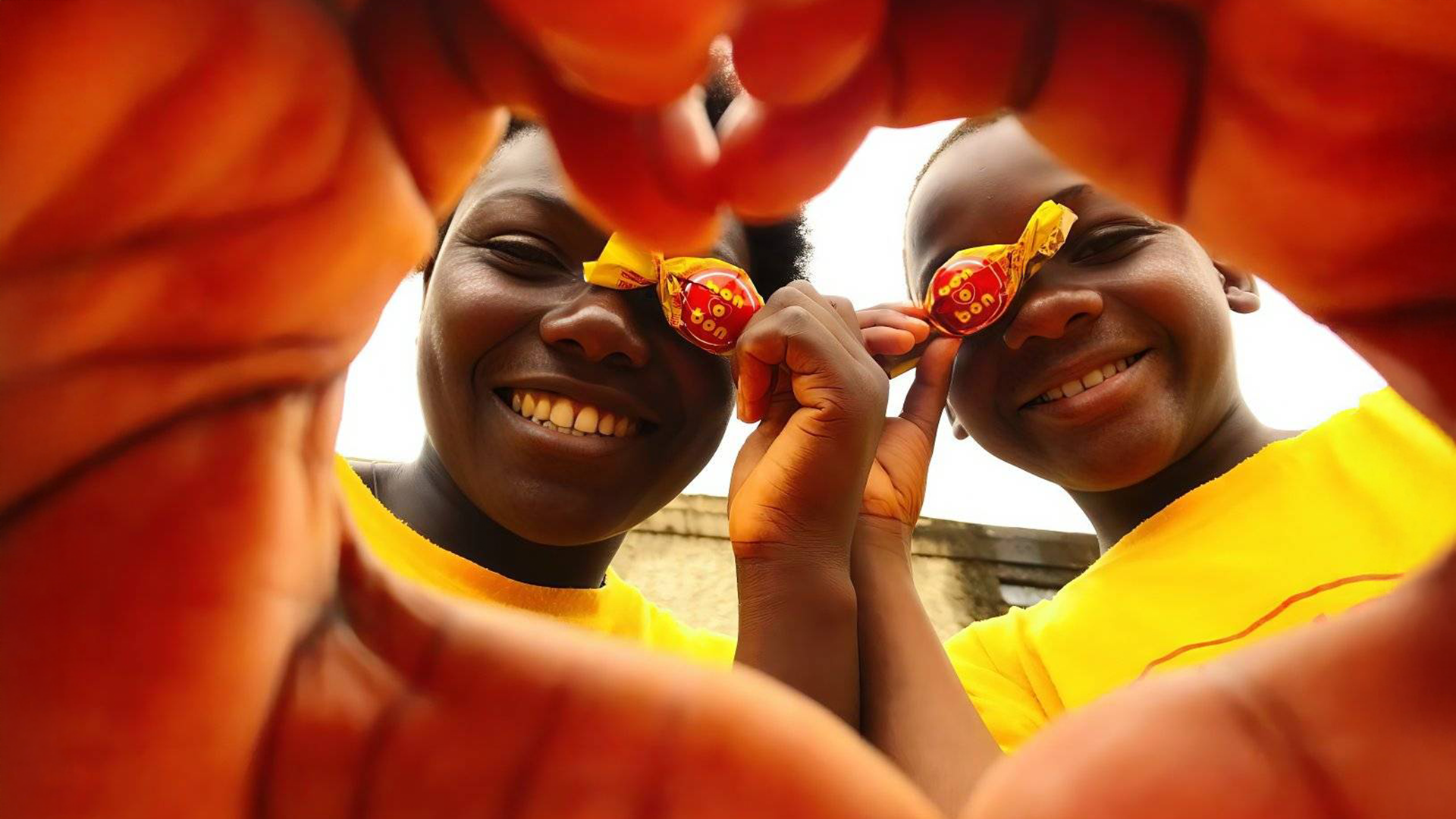
How Bon o Bon turned a simple gesture into an emotional narrative, UGC and an integrated experience (Angola, 2022–2025)
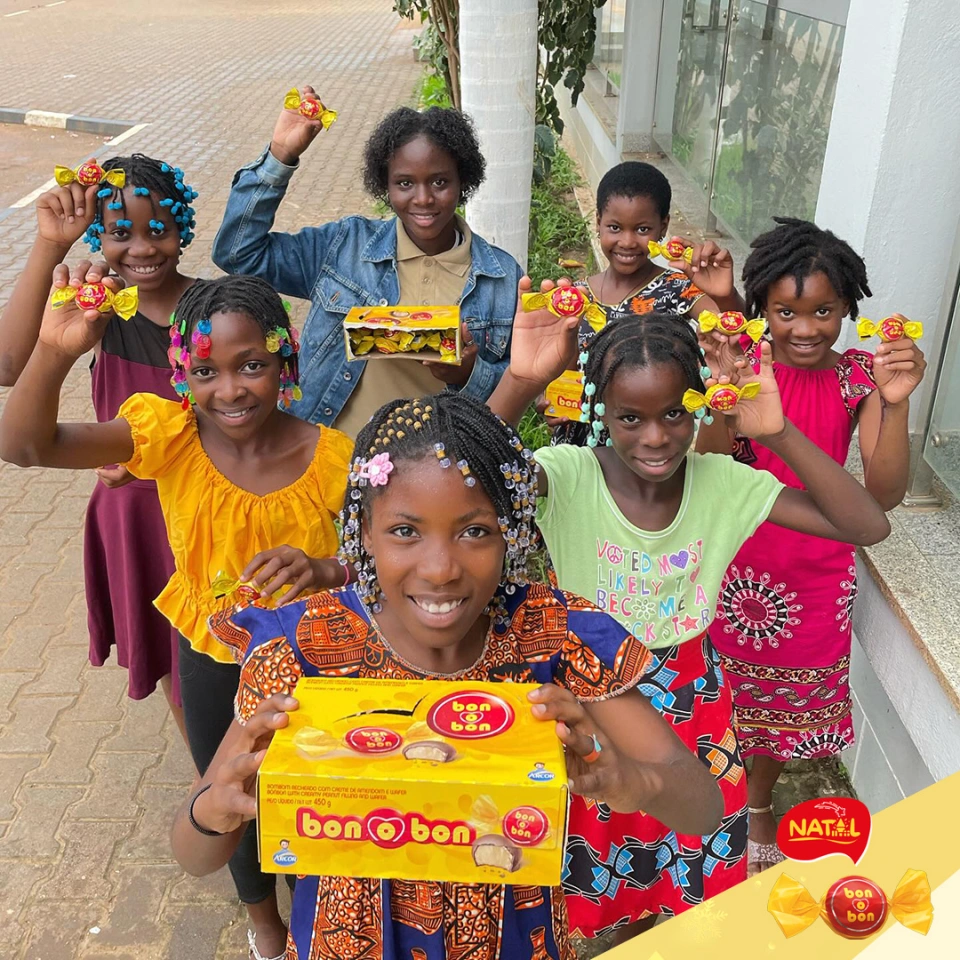
The challenge
Bon o Bon was already an established love brand in Angola, but its activations around key dates such as Valentine’s Day, Christmas and promotional campaigns were still fragmented and lacked narrative consistency.
The challenge was to create a continuous narrative capable of turning recurring promotional activations into chapters of the same emotional story—one that was culturally relevant and sustainable over the years.
The strategy
Rather than importing dates, mechanics and ready-made messages, the strategy anchored the campaigns in local cultural codes and real human behaviour.
For Valentine’s Day, the occasion was reinterpreted through the alambamento, a traditional Angolan ceremony in which the bride is introduced and the families reach an agreement — an event with greater social significance than the wedding itself.
Bon o Bon began to occupy this symbolic space as a mediator of affection. In a context where public hugs and kisses are socially discouraged, offering a chocolate becomes a legitimate gesture of care.
The campaigns were structured as creative competitions, rather than popularity contests, prioritising creativity, emotion and genuine participation. As the narrative matured, the strategy evolved into an integrated ecosystem, bringing in local content creators not as isolated advertising assets but as natural extensions of the story the brand was already building with its audience.
Paid media was designed to amplify real stories, not replace the strength of the organic narrative.
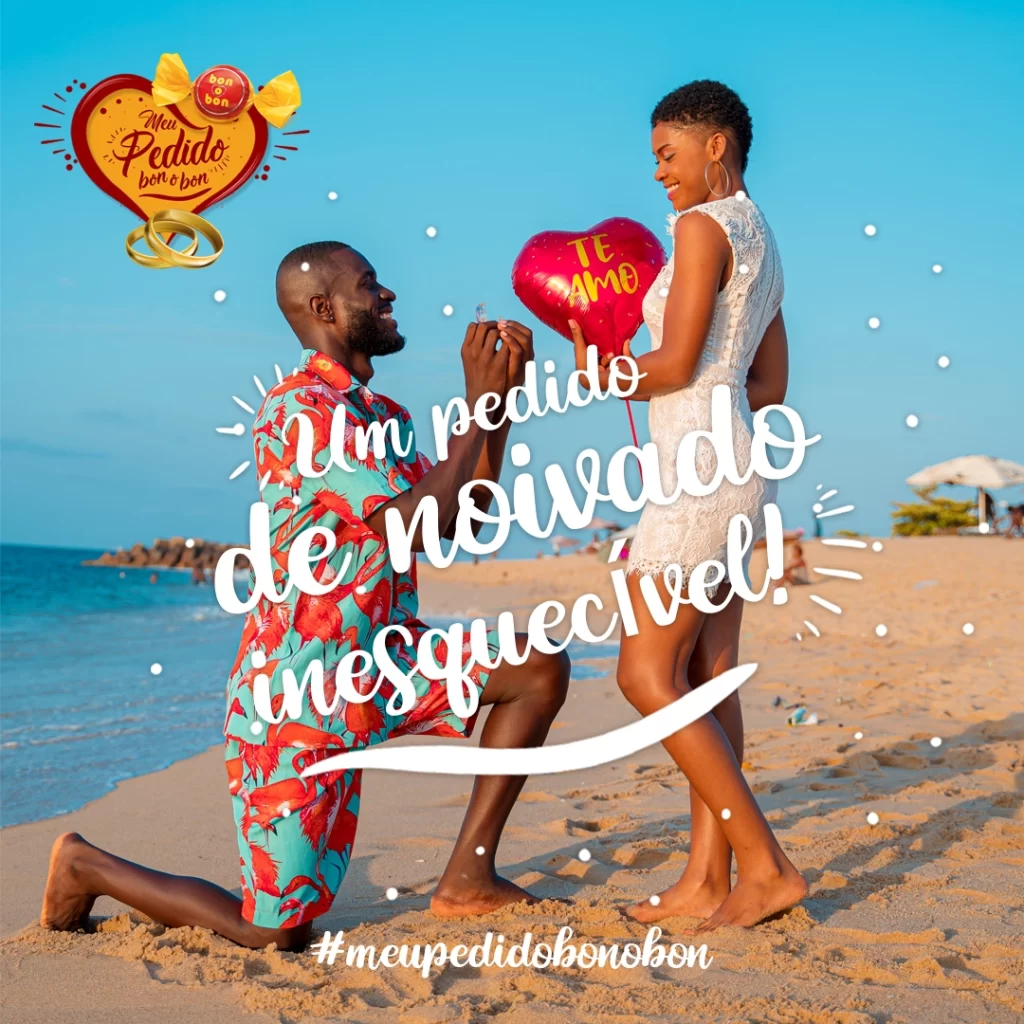
Over time, Christmas, Meu Pedido Bon o Bon and Mês da Doçura stopped being isolated initiatives and became variations on the same theme: emotionally significant dates as a driver of storytelling and engagement.
Execution
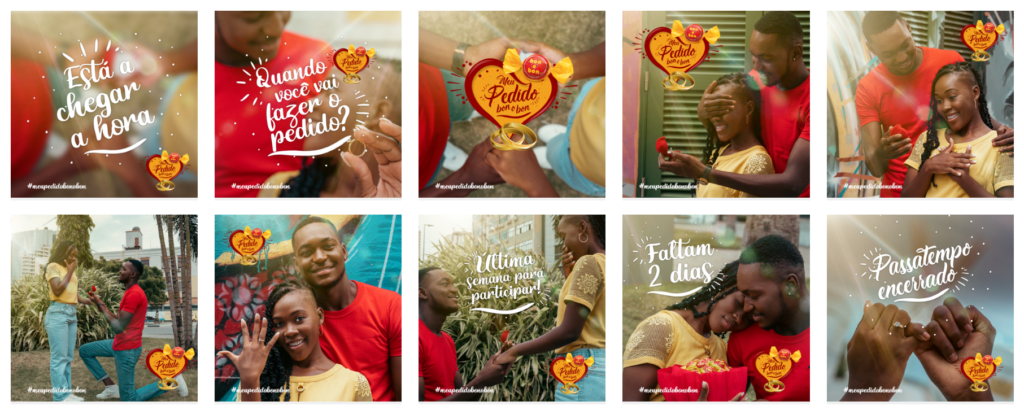
The activations were conducted primarily through digital channels, strongly encouraging UGC creation, while always working in dialogue with the 360-degree campaign in the physical world — radio, television, OOH and point of sale.

A few execution principles:
- Cash prizes presented clearly, increasing perceived value.
- Multiple winners in each campaign, reducing the sense of an “impossible competition”.
- Operational adjustments to work around platform limitations, such as asking participants to tag Angoalissar’s profile and send their entry link by direct message, preventing entries from being lost when algorithms hid hashtags.
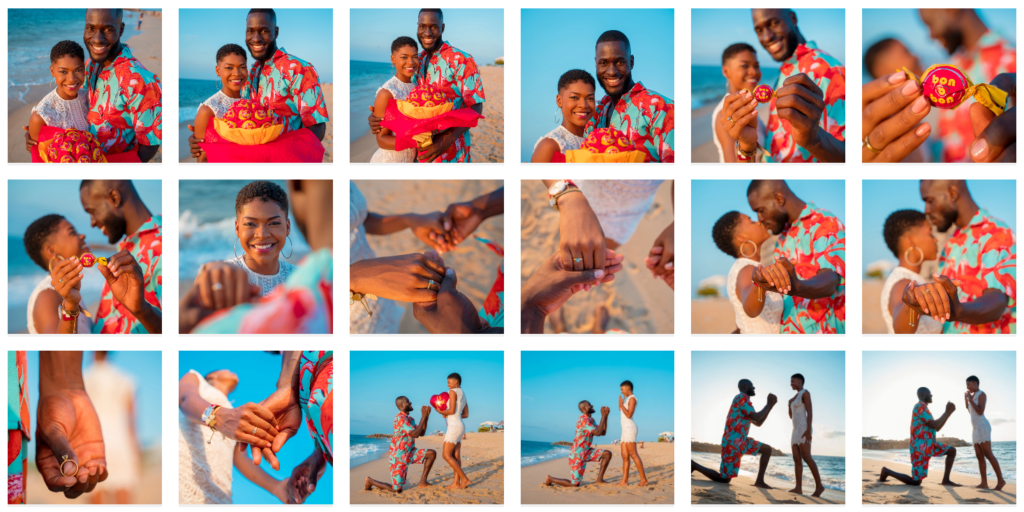
In addition to strategic digital management, I led the campaigns’ creative direction, including seasonal asset design, online advertising coordination and photo and video production with real couples, including coverage of the alambamento itself.
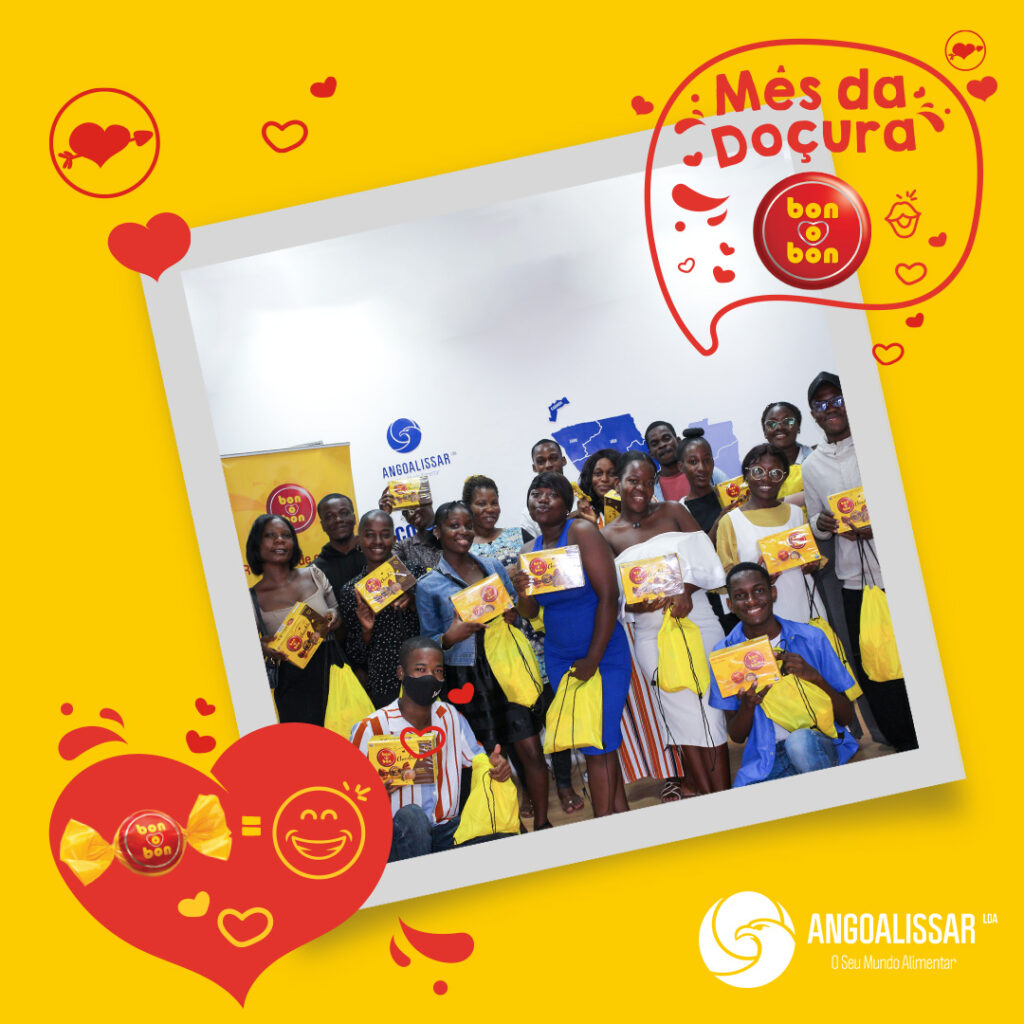
The online initiatives culminated in in-person experiences, award ceremonies and offline activations that reinforced in the physical world the narrative built across social media.
More than publishing content, the work involved orchestrating experiences that connected social media, local culture and the brand’s physical presence.
Results
Across different key dates and execution formats, associating Bon o Bon with genuine gestures of affection proved consistent and adaptable, despite budget variations and platform changes.
The Valentine’s Day campaigns combined broad reach with spontaneous participation, achieving millions of views in the first year and maintaining hundreds of thousands of views and tens of thousands of interactions organically, even without paid media.
The creative competition model generated hundreds of submissions over the years. The strategy was successfully replicated on other emotionally significant occasions, such as Mês da Doçura and Christmas.
In 2024 and 2025, collaboration with content creators expanded the narrative’s impact, adding more than two million views through influencer content without compromising the campaign’s emotional tone.
Beyond isolated figures, the case demonstrates an ability to sustain emotional relevance, generate recurring authentic UGC and turn participants into spontaneous brand advocates.
In practice, Bon o Bon became one of the clearest examples of a love brand I have worked with — engagement did not need to be forced, only directed effectively.
What I learned
- People associate chocolate with affection almost automatically, but only create when they feel culturally represented.
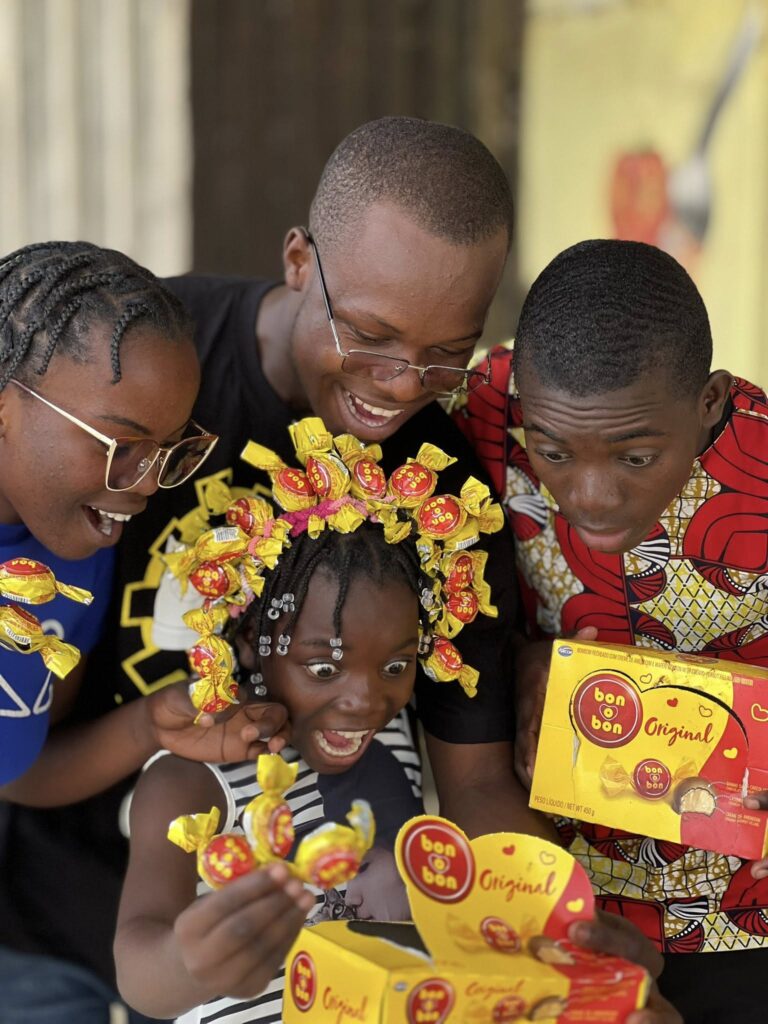
- UGC flourishes when the product is loved and the context involves people they love.
- In Angola, cash-value prizes are more persuasive than generic items.
- The greater the number of winners, the stronger the sense of possibility and participation.
- Popularity contests invariably lead to fake-like purchases, even with modest prizes.
- Where public affection faces social restrictions, the right symbolism is worth more than any aggressive call to action.
- Digital works best when it does not replace the physical world, but engages with it.
How I explain this case at a bar
I usually say Bon o Bon found a distinctly Angolan way to talk about love. We did not create the feeling, but helped give it form. When affection cannot be displayed through gestures, it appears through symbols. Sharing a chocolate became one of these small public expressions of intimacy.
Leave a Reply