
How Primavera’s dance competition turned culture, media and brand into a living ecosystem (Angola, 2022–2025)
The challenge
Primavera is an Angolan food brand with a broad portfolio ranging from pasta and sauces to canned goods and oils. It has always positioned itself as a brand capable of stirring emotions through taste. In its early years, it pursued a “popular chic” territory, offering higher-quality products at accessible prices.
Even so, the brand struggled to win over more demanding consumers and faced a structural digital challenge. Its social channels still lived in the shadow of Angoalissar’s corporate communication and lacked their own identity. The editorial approach lacked soul, while previously effective formats such as cooking competitions were showing clear signs of fatigue.
The challenge was twofold: reposition Primavera as a young brand that was culturally relevant and desirable to new generations, while creating a campaign capable of encapsulating this turning point, energising the brand’s own social channels and building a genuine emotional connection with Angolan audiences.
The strategy
Looking at Angola’s major cultural phenomena, especially those mobilising young audiences, it became clear that Primavera had a natural affinity with kuduro, the country’s leading musical and physical expression in recent decades.
Rather than “using” culture as an advertising backdrop, the decision was to place it at the centre of the strategy. The brand invited relevant local artists, including Paulo Dubay and later Tchu Mário Wanga, to create the campaign’s official song. The music was not merely a soundtrack: it became the project’s creative engine, presented through a professional music video.
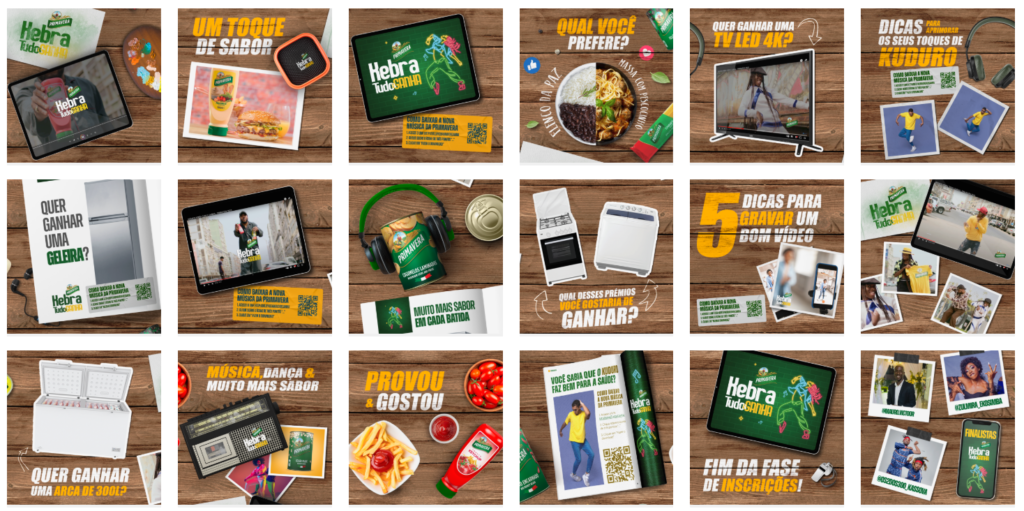
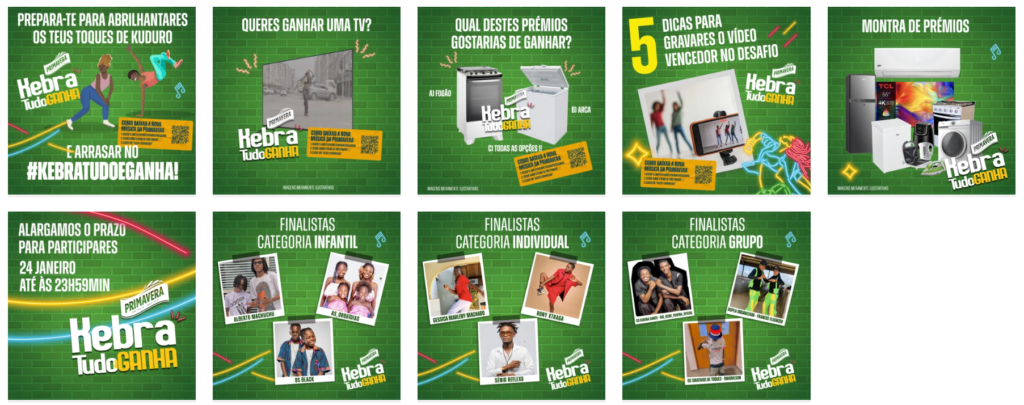
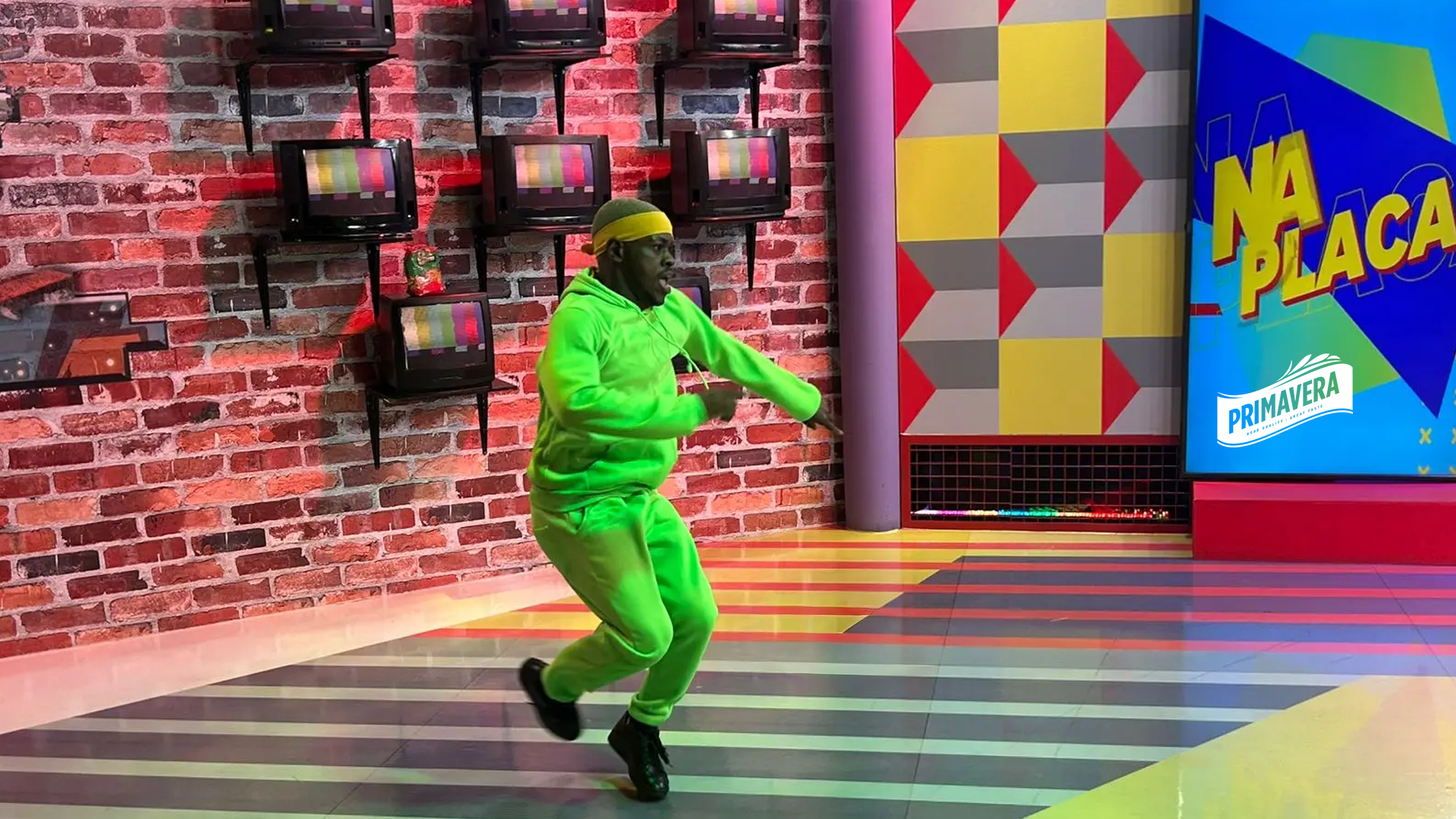
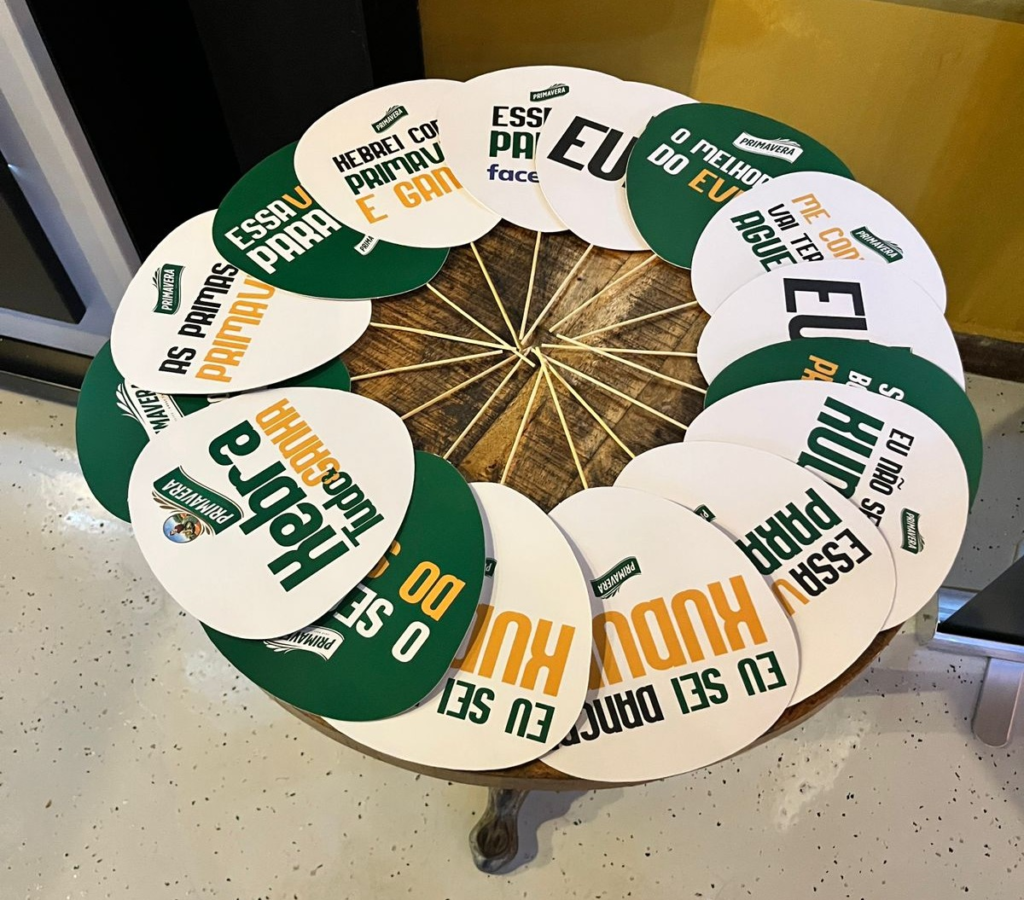
On digital platforms, the invitation was simple and powerful: record a video dancing to the song, create an original move and enter a performance-based competition rather than an artificial popularity contest. Finalists would be selected by a jury and compete in a live televised final, ensuring mass reach and public legitimacy.
Inspired by the popular Brazilian “Caminhão do Faustão”, the prize was adapted to Angolan reality: a truckload of home appliances and essential household goods. It was symbolic and transformative enough to justify the effort, exposure and competitiveness of the challenge.
https://www.tiktok.com/@primavera_angola/video/7301315729301703942Content created by Casa dos Fs influencers to build anticipation for the competition’s grand final, broadcast live on television.
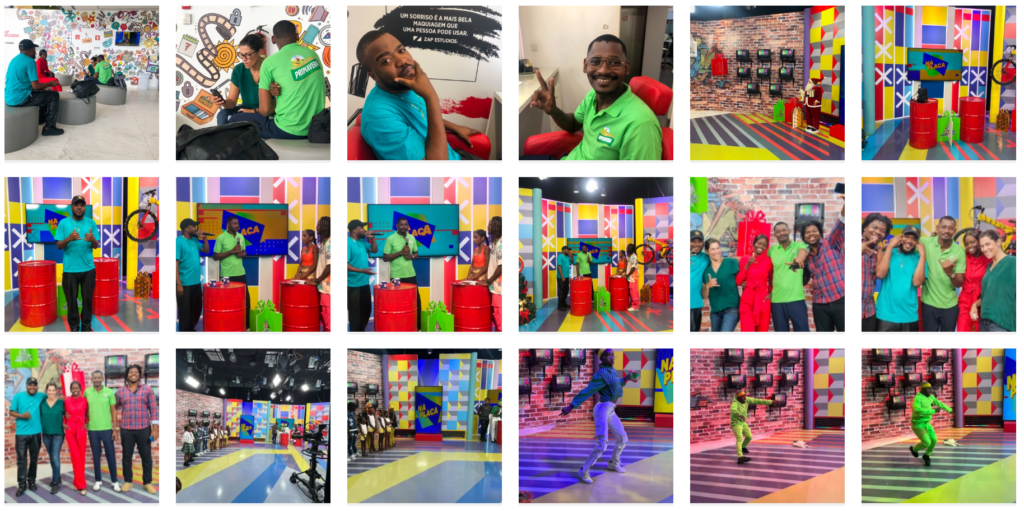
From 2022, the strategy took a decisive step with the launch of Primavera’s own profiles on Facebook and Instagram. In 2023, the campaign evolved again with the brand’s TikTok launch, supported by an in-person event in Luanda and a pioneering activation involving influencers from dance, lifestyle, food and local comedy.
As the project matured, the campaign grew beyond an annual competition and became a cultural ecosystem. Previous winners became stars of later music videos, official final judges and legitimate references within the dance community.
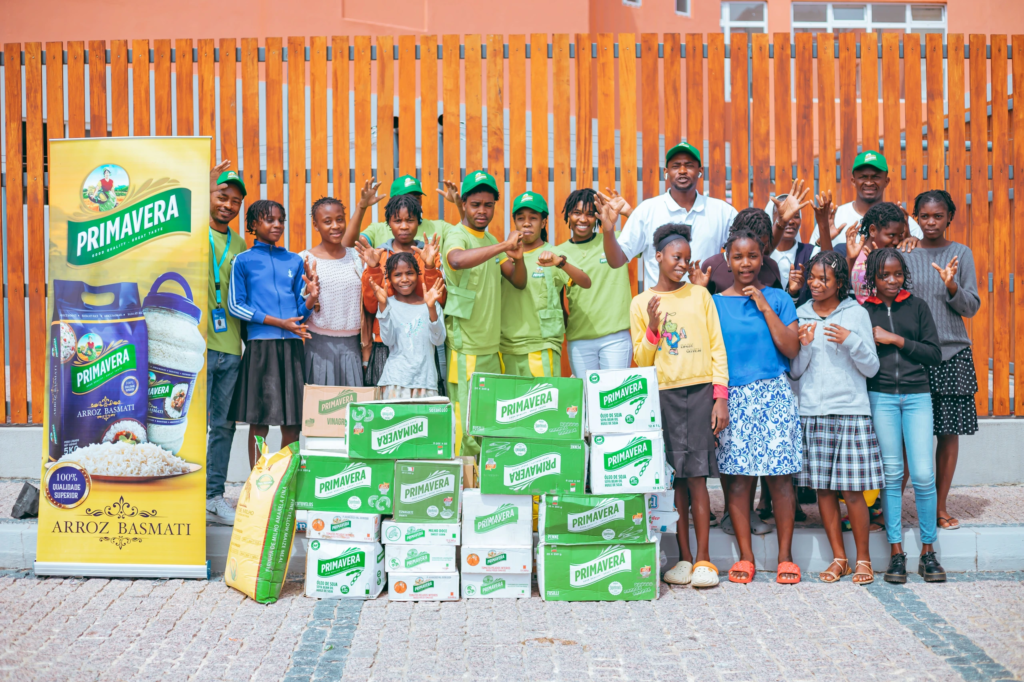
In 2024 and 2025, Primavera expanded the concept with three participation categories — individual, group and children — and added a social impact layer: each winner nominated an institution to receive brand product donations.
Execution
The execution of Kebra Tudo e Ganha was conceived from the outset as a truly 360-degree campaign.
Digitally, the focus was on platform-native content, organic participation and the strategic activation of influencers as visibility catalysts rather than artificial protagonists. Launch events generated buzz, created content and reduced participants’ initial hesitation.
On television, continuous coverage from launch to the live final on one of the country’s most-watched programmes gave the campaign scale and legitimacy. In the physical world, prize deliveries and donations became essential parts of the narrative, supported by original audiovisual production that amplified their emotional impact.
Each edition required complex coordination of programmatic media, creator management, alignment with television partners and rigorous budget control. Over the years, it became the brand’s most ambitious and challenging campaign in both investment and execution.
Results
Across four editions, Kebra Tudo e Ganha achieved consistent, sustained growth.
The campaign grew from 42 participating videos in its first edition to more than 100 recurring entries in recent editions. Reach and content consumption increased significantly, culminating in 2024–2025 with more than 7.3 million views, 1.7 million people reached and an average engagement rate above 3%.
More important than the absolute figures was the campaign’s ability to break out of digital bubbles. By combining dance, music, television and social media, Kebra Tudo e Ganha reached beyond the usual digital audience and became known even among people with limited internet access or outside major urban centres.
Introducing social donations strengthened the emotional bond, turning individual victory into collective benefit and associating Primavera not only with culture but also with social responsibility.
What I learned
- Not every competition is for a mass audience; some formats attract highly qualified niches, such as professional dancers, and that is not a problem.
- Clearly communicated prizes are the strongest participation trigger, more than roadshows or offline coverage.
- Television expands reach and legitimacy, but does not replace the digital participation engine.

- Influencers work best when combining mass and niche appeal, cultural authority and reach.
- In-person events are an excellent entry point for lasting relationships with content creators.
- Launching a new platform without editorial continuity wastes energy and investment.
- Cultural campaigns require more management, budget and risk, but they are also the ones that best transcend internet logic.
Video record of the 2023 launch event, bringing together digital influencers, artists and the brand team to begin the campaign’s new phase.
How I explain this case at a bar
I usually say Primavera stopped trying to “talk to young people” and began speaking from within their culture. Once the brand understood it did not need permission to enter kuduro, only respect for it, the campaign stopped being advertising and became aspiration. It was not about dancing to win a prize. It was about being seen, recognised and celebrated in a country where dance is also identity.
Leave a Reply